In the hustle and bustle of our daily lives, anxiety ofen lurks just beneath the surface, surfacing when we least expect it. Whether triggered by a demanding deadline, a personal challenge, or even the weight of the world’s uncertainties, that nagging feeling can impede our ability to focus and find calm. Fortunately, within the simple act of breathing lies a powerful tool for regaining control and tranquility. This article unveils ten breathing exercises designed to help you reduce anxiety, reconnect with your inner self, and cultivate a sense of peace amidst chaos. Each technique invites you to pause,take a deep breath,and embark on a journey toward a more centered and serene you. Let’s explore these practices and discover the harmony that mindful breathing can bring to your life.
Understanding the connection Between Breath and Anxiety
Our breath plays a crucial role in how we experience emotions,especially anxiety. When faced with stress, our breathing often becomes rapid and shallow, which can exacerbate feelings of panic. By understanding this connection,we can harness the power of our breath as a tool for calmness and clarity. As we focus on our breathing, we activate the parasympathetic nervous system, signaling our bodies to relax and restore a sense of balance. Deep,mindful breathing can interrupt the cycle of anxiety,providing a moment to recenter and refocus our thoughts.
utilizing breathing techniques not only helps to decrease immediate feelings of anxiety but also enhances our overall emotional resilience. By incorporating these practices into our daily routine, we train ourselves to respond to stress more effectively. Some benefits of mindful breathing exercises include:
- Lower heart rate – A calming affect that promotes physical relaxation.
- Improved concentration – Enhanced focus that helps combat anxious thoughts.
- Greater emotional regulation – Increased ability to manage stressors calmly.
Exploring Different Breathing Techniques for Instant Calm
In today’s fast-paced world, many individuals find themselves caught in the whirlwind of everyday stress, leading to anxiety and unease. One effective way to gain instant calmness is through various breathing techniques that can quickly center your mind and body. Box Breathing, for instance, involves four simple steps: inhale for a count of four, hold for four, exhale for four, and hold again for four. This rhythmic pattern not only helps to regulate your breath but also enhances focus and creates a sense of peace amidst chaos.
Another method worth considering is diaphragmatic breathing, which encourages deeper breaths that engage the diaphragm rather of shallow chest breathing. To practice this technique, sit or lie down comfortably.Place one hand on your chest and the other on your belly, inhale deeply through your nose, ensuring that your belly rises while your chest remains still. This exercise promotes relaxation and can significantly reduce anxiety levels.Here’s a summary of some useful breathing techniques:
| Technique | Description |
|---|---|
| Box Breathing | Inhale, hold, exhale, hold each for 4 seconds. |
| Diaphragmatic Breathing | Deep breaths engaging the diaphragm. |
| 4-7-8 Breathing | Inhale for 4s, hold for 7s, exhale for 8s. |
| Nadi Shodhana | Alternate nostril breathing for balance. |
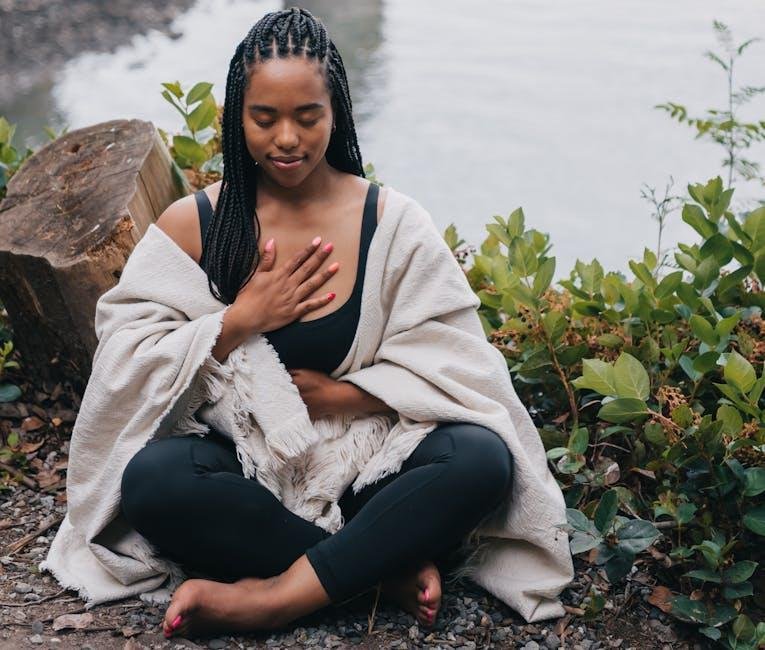
incorporating breathing Exercises into Your Daily Routine
Integrating breathing exercises into your everyday life can be a transformative experience. Start by dedicating a few moments each day to focus solely on your breath. This practice doesn’t require much time or space, making it easy to incorporate into your routine. Consider setting reminders at various intervals throughout the day—perhaps during breaks, while commuting, or before bedtime. The key is to make breathing exercises a habitual part of your lifestyle, allowing them to become a natural response to moments of anxiety.
Here are some simple ways to seamlessly add breathing techniques into your day-to-day activities:
- morning Ritual: Begin each day with a few minutes of deep breathing to set a positive tone.
- Lunchtime Calm: take a break during lunch to practice 4-7-8 breathing to rejuvenate your mind.
- Mindful Commute: Whether driving or riding, focus on your breath to reduce stress during travel.
- Pre-Sleep routine: Wind down at night with deep abdominal breathing to promote relaxation.
Long-Term Benefits of Breath work for Mental Well-Being
Engaging in regular breathwork practices can yield profound and enduring advantages for mental well-being. Over time, individuals who incorporate these exercises into their daily routines frequently enough experience a significant reduction in anxiety levels. Consistency is key, as the calming effects of focused breathing can lead to long-term changes in how one reacts to stressors. Increased self-awareness nurtured through breathwork fosters a deeper understanding of one’s emotions, allowing for healthier coping mechanisms and improved emotional regulation.
The neurological transformations that accompany systematic breathwork also contribute to resilience against anxiety and stress. By enhancing the body’s parasympathetic response, these exercises can help recalibrate the nervous system, encouraging a state of balance and peace. Some long-term benefits include:
- Improved Focus: With regular practice, the ability to concentrate on tasks often increases, resulting in heightened productivity.
- Boosted Mood: Breathwork can trigger the release of neurotransmitters that enhance feelings of joy and contentment.
- Better Sleep Quality: Engaging in breath exercises prior to bedtime can lead to more restful and restorative sleep.
- Increased Resilience: Developing a strong breathwork practice equips individuals with tools to handle challenging situations more effectively.
Moreover,the collective benefits of breathwork can generate a lasting positive impact on relationships and social interactions. With improved emotional clarity and a more centered state of being, individuals are better equipped to communicate and connect with others. This ripple effect of enhanced mental well-being can create more meaningful bonds and encourage a supportive community, nurturing not only individual growth but also enriching the lives of those around them.
Key Takeaways
As we conclude our exploration of these 10 breathing exercises to reduce anxiety, it becomes clear that the simple act of inhaling and exhaling can hold profound power over our mental well-being. Just as a gentle breeze can calm the waves of the ocean, so too can mindful breathing cultivate a sense of peace amidst the turbulence of our thoughts and feelings.Incorporating these techniques into your daily routine can create a safe harbor for your mind, allowing you to navigate life’s challenges with greater ease. Whether you choose to practice in moments of stress or incorporate them into your wellness rituals, remember that each breath is an chance to return to the present moment, to reconnect with yourself, and to find solace even in the midst of chaos.As you embark on this journey towards tranquility, embrace the transformative potential of your breath. With each inhale, invite calm; with each exhale, release tension. May these exercises serve as tools to help you cultivate a sanctuary of peace within—because sometimes, the path to serenity begins with a single breath.