Unlocking the Secret to the Perfect Chocolate Chip Cookie
There’s a delightful magic that happens when a batch of chocolate chip cookies emerges from the oven: the aroma fills the air, evoking memories of childhood adn cozy kitchens. These timeless treats have a way of bringing people together, whether they’re enjoyed warm with a glass of milk or shared among friends at a gathering. Yet, achieving cookie perfection can frequently enough feel elusive, with countless recipes and methods vying for attention. Fear not, for in this article, we will explore the essential ingredients, techniques, and tips that will lead you to that golden-brown, chewy texture, perfectly balanced sweetness, and those irresistible melty chocolate pockets. Join us on this baking journey as we demystify the art of cookie-making, ensuring that every batch you bake is nothing short of extraordinary.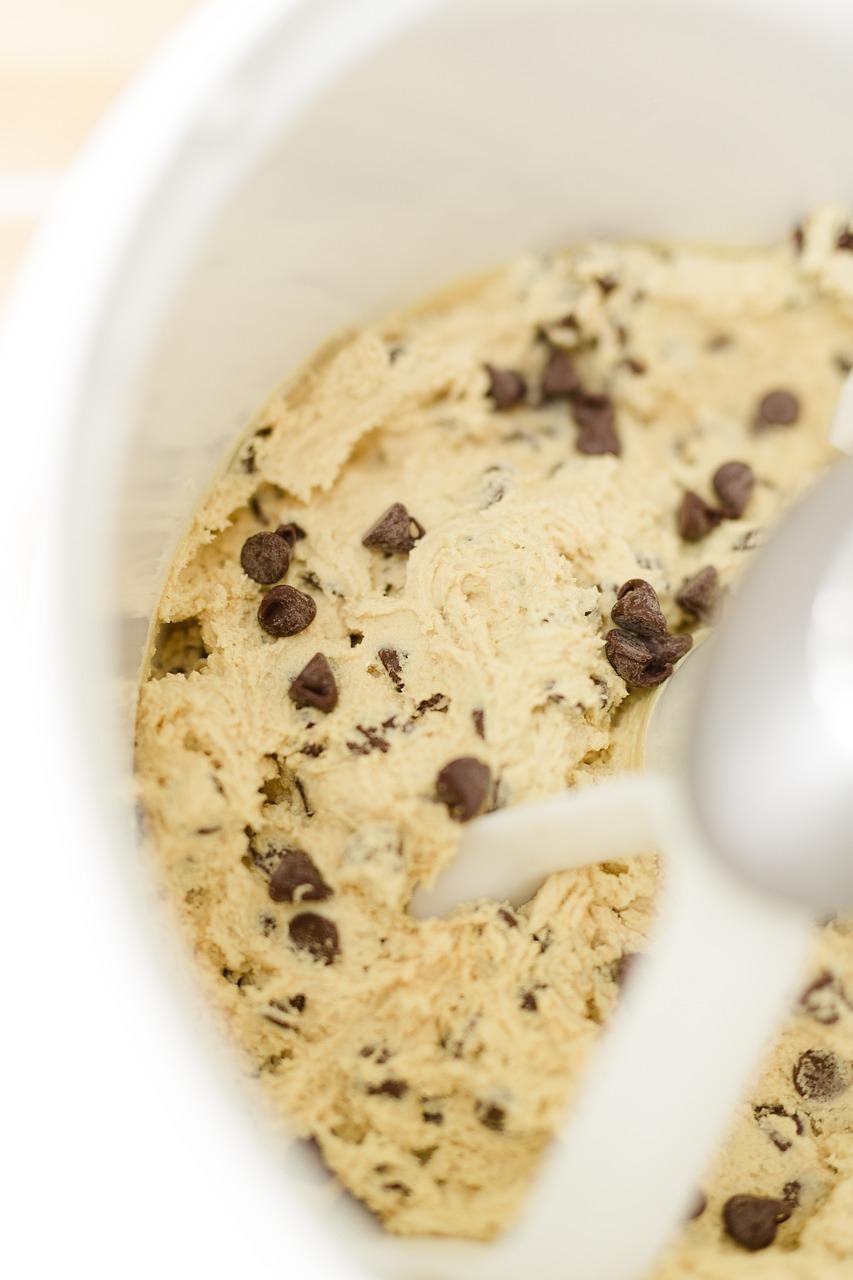
The Science Behind the Ingredients for Perfect Cookies
When it comes to crafting the perfect chocolate chip cookies,understanding the role of each ingredient is essential. The foundation of any cookie is flour, which provides structure. The type of flour can dramatically influence the texture. All-purpose flour is a popular choice for its balance of protein content, but using bread flour can yield a chewier cookie due to its higher gluten content. Similarly,the fat used in the recipe,be it butter,margarine,or shortening,not only affects the flavor but also alters the cookie’s spread and moisture level. Butter, such as, gives a rich taste and a slightly crisp edge, while shortening will retain moisture and produce a softer bite.
Equally crucial are the sugars in your recipe—a harmonious blend of brown and granulated sugars can create the ultimate cookie experience. Brown sugar, with its molasses content, adds moisture and chewiness, while granulated sugar contributes to a crisper texture. Don’t overlook the leavening agents such as baking soda or baking powder; these ingredients are pivotal in determining how fluffy or dense your cookies will be. Lastly, the chocolate chips themselves should not be an afterthought.Choosing high-quality chocolate with varying cacao percentages can elevate the taste profile, ensuring a delightful contrast of sweetness and richness in every bite.

Mastering the technique: Mixing and Baking for Optimal Results
Achieving the perfect chocolate chip cookie doesn’t just rely on following the recipe; it also hinges on mastering the right mixing techniques. Start by creaming the butter and sugars together until the mixture reaches a light, fluffy consistency. This process incorporates air into the batter, leading to a cookie that has a delightful texture. As you mix, gradually add in the eggs and vanilla extract, ensuring they are fully incorporated before introducing the dry ingredients. Consider using a rubber spatula to gently fold in the flour, baking soda, and salt, followed by your choice of chocolate chips. This method helps retain the airiness you’ve created while preventing overmixing, which can result in dense cookies.
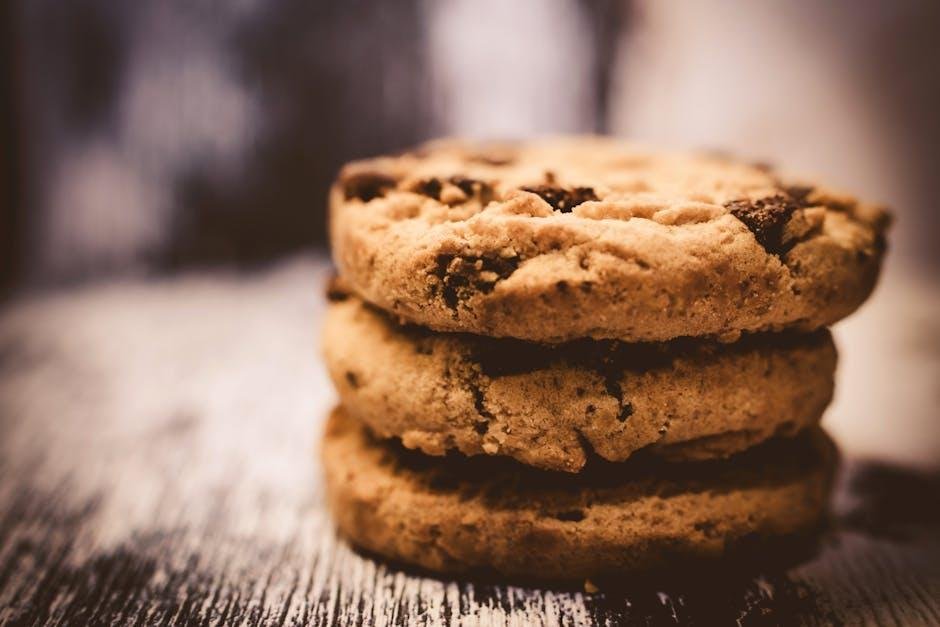
Baking time and temperature are equally critical in your cookie quest. Preheat your oven to 350°F (175°C), and be sure to use an oven thermometer for accurate readings.Bake your cookies for 10-12 minutes until the edges are golden but the centers remain soft. To achieve that ideal chewy texture, remove the cookies from the oven when they still appear slightly underbaked. They will continue to firm up on the baking sheet, creating a perfect balance of chewy centers and crisp edges. Here’s a rapid glance at some essential cookie baking tips:
| Tip | Description |
|---|---|
| Chill the Dough | Refrigerate for at least 30 minutes for thicker, chewier cookies. |
| Use Parchment Paper | Line your baking trays to prevent sticking and ensure even baking. |
| Experiment with Mix-ins | Add nuts, dried fruits, or different chocolate types for unique flavors. |
Enhancing Flavor and Texture with Smart Variations
To elevate your chocolate chip cookies, consider incorporating smart variations that enhance both flavor and texture. One popular option is to experiment with different types of chocolate. Instead of just using semi-sweet chips, try adding a mix of dark, milk, and even white chocolate chunks. this combination adds a new level of richness and complexity to each bite.Additionally, consider sprinkling a pinch of sea salt on the dough before baking; this will amplify the sweetness and create a delightful contrast.
Another way to achieve a unique texture is by adjusting the fat content in your cookie dough. Substituting part of the butter with nut butters, such as almond or peanut butter, can introduce an irresistible nuttiness. Alternatively, incorporating a small amount of cornstarch into your flour blend can lead to a softer, cakey consistency. Experimenting with your baking times is also crucial; baking for just 8-10 minutes yields chewy cookies, while longer times yield crispy edges. Try the following ratios for enhanced texture and richness:
| Variation | Effect |
|---|---|
| mix of Chocolate Types | Increased flavor complexity |
| sea Salt on Top | Enhanced sweetness & contrast |
| Nut Butters | rich nuttiness & unique flavor |
| Cornstarch | Soft, cakey texture |
| Shorter Bake Time | Chewy center |
| Longer Bake Time | Crispy edges |

Troubleshooting Common Cookie Baking Mistakes
Baking cookies should be a delightful experience, but even seasoned bakers can encounter hurdles. If your cookies turned out flat, it might very well be due to too much fat or not enough flour. Ensure accurate measurements by using a kitchen scale. Chilling the dough for at least 30 minutes can also help retain shape during baking.If your cookies are dry or hard, this is frequently enough a result of overbaking. Keep an eye on them and take them out of the oven when they are just barely golden around the edges.
Another common issue is uneven baking. To combat this, it’s essential to rotate your baking sheet halfway through the baking time and space your cookie dough balls evenly apart to promote even heat distribution. Should you find your cookies turning out too doughy or underbaked, check your baking soda or powder’s expiration date; old leavening agents can lead to insufficient rising. For a quick reference, here’s a table summarizing some common mistakes:
| Mistake | Solution |
|---|---|
| Flat Cookies | Chill dough and ensure proper measurements. |
| Dry Cookies | Avoid overbaking; monitor closely. |
| Uneven Baking | Rotate baking sheet; space dough evenly. |
| Doughy Center | Check freshness of leavening agents. |
In retrospect
As you pull your tray of golden-brown chocolate chip cookies from the oven, the tantalizing aroma wafts through your kitchen, beckoning everyone to gather. Baking the perfect cookie is as much about the experience as it is indeed about the result.From selecting the finest ingredients to mastering the art of just the right bake time, each step is a delightful journey.Remember, practice makes perfect—and each batch brings you closer to cookie perfection. So, whether you prefer them chewy, crispy, or somewhere in between, don’t hesitate to experiment and make the recipe your own. Embrace the joy of baking, share your creations with loved ones, and remember: the best cookies are those made with love. Happy baking!