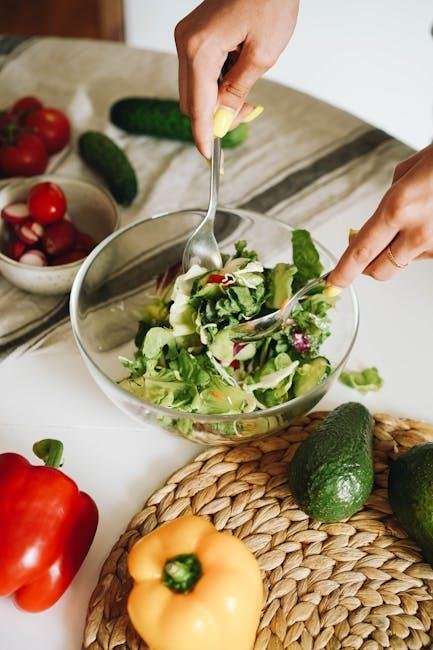
In a world where culinary aspirations frequently enough collide with financial realities, the pursuit of healthy eating can sometimes feel like a lofty goal reserved for those with deep pockets. Yet, nourishing our bodies doesn’t have to break the bank. With a dash of creativity and a sprinkle of planning, anyone can whip up delicious, nutritious meals without stretching their budget. This article dives into the art of cooking healthy on a budget, offering you straightforward strategies, mouth-watering recipes, and tips to transform everyday ingredients into culinary delights. Whether you’re a seasoned chef or a kitchen novice,join us as we explore how to make wholesome meals that are both affordable and satisfying,proving that healthy living can be accessible to all.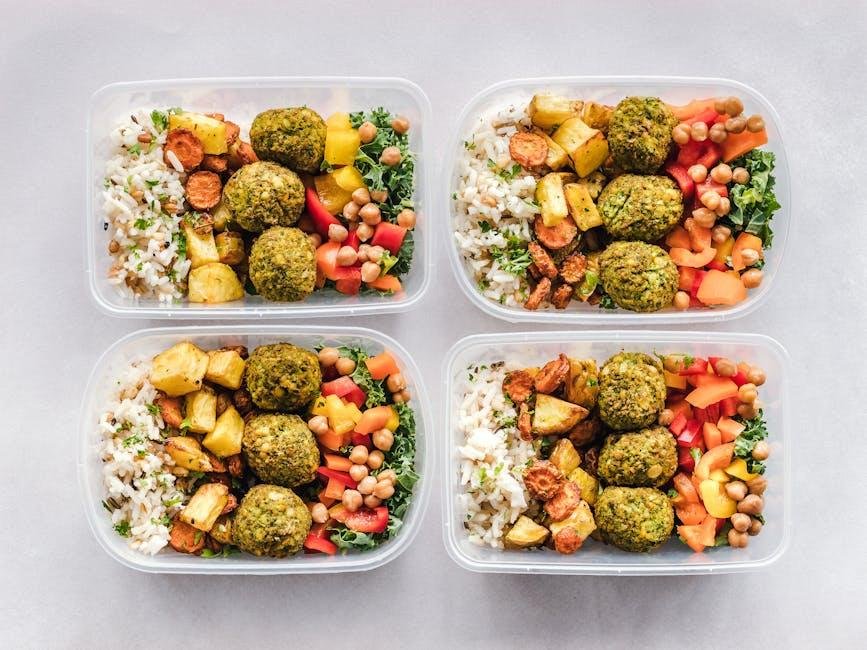
Mastering Meal Planning for Cost Efficiency
Understanding the balance between nutrition and budget is key to cooking healthy meals without overspending. Start by assessing your pantry; this can help you use what you already have, reducing waste and saving money. Make a grocery list before you head to the store to avoid impulse buys and stick to core ingredients that lend themselves to versatile meals. Opt for seasonal produce and bulk items like grains and legumes, which are frequently enough cheaper and full of nutrients. Don’t forget to keep an eye out for discounts and promotions,which can lead to significant savings over time.
To streamline your meal preparation process, consider dedicating a specific day for cooking and organizing your meals for the week. Batch cooking is not only time-saving but also cost-effective as it allows you to take advantage of larger, more affordable grocery purchases.Here’s a rapid table showcasing a week’s meal prep plan using budget-amiable ingredients:
| Day | Main Ingredient | Meal Idea |
|---|---|---|
| Monday | Brown Rice | Vegetable Stir-Fry |
| Tuesday | Quinoa | Quinoa Salad with Chickpeas |
| Wednesday | Lentils | lentil Soup |
| Thursday | spaghetti | Spaghetti with Marinara Sauce |
| Friday | Seasonal Vegetables | Roasted Vegetable medley |
| Saturday | eggs | Vegetable Omelette |
| Sunday | Potatoes | Mashed Potatoes with gravy |

Embracing Seasonal and Local Ingredients
One of the best strategies for cooking healthy meals on a budget is to embrace seasonal and local ingredients. These offerings are typically fresher, more flavorful, and frequently enough less expensive than their off-season counterparts. Plus, supporting local farmers not only boosts the economy but also ensures you’re consuming produce that is in harmony with the season. By making a habit of shopping at farmers’ markets or joining a community-supported agriculture (CSA) program,you can enjoy a variety of fresh foods that inspire creativity in your cooking. Here are some ideas to make the most of seasonal produce:
- Plan Your Meals: Design your weekly menu around what is currently in season to take advantage of lower prices and peak flavors.
- Preservation Techniques: Learn to can, freeze, or dry excess produce when it’s at its peak to enjoy throughout the year.
- Try New Recipes: explore regional dishes that highlight local ingredients to keep your meals exciting and healthful.
It’s also essential to recognise the importance of adaptability in your meal preparation. Seasonal ingredients vary, providing a canvas for a range of culinary creations. Such as, a simple chart can definitely help you visualize the best months to enjoy particular produce:
| Season | Fruits | vegetables |
|---|---|---|
| Spring | Strawberries, Asparagus | Spinach, Peas |
| Summer | Tomatoes, Berries | Cucumbers, Zucchini |
| fall | Apples, Pears | Squash, carrots |
| Winter | Citrus, Pomegranates | Roots, Kale |
Understanding the cyclical nature of food can enhance not just your diet but also your relationship with your ingredients. Utilizing seasonal fruits and vegetables ensures that you’re getting the highest nutritional value at the most affordable prices, ultimately creating delightful dishes that are as good for your wallet as they are for your health.

Savvy Shopping Strategies to Stretch Your Dollar
Finding great deals doesn’t have to be a daunting task. Start by making a shopping list of the meals you plan to cook for the week. By sticking to your list, you can avoid impulse buys that can quickly add up. Consider shopping at local farmers’ markets or discount grocery stores where you might discover fresh, seasonal ingredients at a fraction of the price. Additionally, explore sales promotions and loyalty programs—signing up for store newsletters can keep you informed about special offers and discounts that can definitely help stretch your dollar further.
when it comes to grocery shopping, consider buying in bulk for non-perishable items like grains, pasta, and canned goods. This not only saves you money but also reduces the number of trips to the store. Here are some tips for savvy bulk shopping:
| Item | Benefits |
|---|---|
| Rice | Versatile base for many meals and has a long shelf life. |
| Beans | High in protein and fiber; perfect for soups and salads. |
| Pasta | Quick to cook and can be paired with various sauces and veggies. |
don’t overlook generic or store brands; they often maintain similar quality to name brands but come at a significantly lower price. Make the most of what you buy by learning the art of meal prep—prepare large batches and divide them into portions for the week, reducing food waste and saving cooking time. Utilizing leftovers creatively not only enhances your meals but also keeps your budget intact.

Creative Cooking Techniques for Nutritious dishes
Exploring alternative cooking techniques can not only enhance the flavors of your meals but also keep them healthy without straining your wallet. steaming vegetables retains their nutrients, while also reducing the need for costly oils or butters. For those craving crispy textures, air frying can achieve similar results to deep-frying, utilizing little to no oil. Additionally, slow cooking is perfect for making hearty stews and soups that stretch your budget, allowing you to use less expensive cuts of meat and plenty of seasonal vegetables.
Another creative method is batch cooking, which enables you to prepare larger portions of nutritious meals while saving both time and money. Use ingredients like grains and legumes that are affordable and versatile; they can serve as a base for various dishes. Consider incorporating fermentation techniques, such as making your own yogurt or pickling vegetables, adding both flavor and beneficial probiotics to your diet. With these techniques, it’s possible to whip up delightful, nutritious meals that won’t break the bank.
| Technique | Benefits | Cost-Effective Tip |
|---|---|---|
| Steaming | Preserves nutrients | Use a pot with a lid and a steaming basket |
| Air Frying | Less oil, fewer calories | Cook frozen vegetables for extra savings |
| Slow Cooking | flavorful, tender meals | Buy meat on sale and freeze portions |
| Batch Cooking | Saves time and energy | Plan meals for the week |
| fermentation | Adds probiotics and flavor | Start with small jars to test flavors |
In Summary
As you embark on your culinary journey toward healthier eating without breaking the bank, remember that creativity and resourcefulness are your best allies. With a little planning, a dash of inventiveness, and a sprinkle of passion, you can transform everyday ingredients into nourishing meals that delight your palate and suit your wallet.
Embrace the joy of cooking as a chance to experiment with flavors, share memories around the dining table, and discover the satisfaction of feeding both body and soul. The path to healthier living doesn’t have to be paved with high costs; rather, it blooms in the simple choices you make in your kitchen each day.
So, gather your ingredients, preheat your oven, and let the aroma of wholesome dishes fill your home. After all, healthy eating is not just a lifestyle—it’s an art form that anyone can master, one budget-friendly meal at a time. Happy cooking!