in an age where information is abundant and distractions are ever-present, the ability to capture and retain knowledge has never been more crucial. whether you’re a student navigating the complexities of academia or a professional managing the intricacies of workplace responsibilities, effective note-taking can be your secret weapon.But with an array of techniques and tools at our disposal, how do you determine which method resonates with your personal learning style or professional needs? This article explores some of the best note-taking methods that not only enhance retention but also foster clarity and creativity. Join us as we delve into the art of note-taking, equipping you with strategies that can transform how you absorb and organize information, ensuring that you make the most out of every lecture, meeting, or brainstorming session.
Exploring the Art of Effective Note-Taking Techniques
Effective note-taking is a unique blend of art and science, where the goal is to distill information into a format that is not only easy to review but also enhances understanding. Students and professionals alike benefit from various techniques tailored to their specific needs and learning styles. As an example, the Cornell Method divides notes into three sections: cues, notes, and summary, promoting active engagement and reinforcing retention.Another popular technique is the Mapping method, which visually organizes information around a central idea, making it easier to see connections between concepts. This method is notably beneficial for visual learners who thrive on spatial relationships.
Additionally, the Outline Method offers a hierarchical structure, allowing users to categorize information logically, while the Charting method provides a way to sort related data into tables for easy comparison. Here’s a quick overview of these methods:
| Method | Best For | Key Feature |
|---|---|---|
| Cornell Method | Active learners | structured layout with cues and summaries |
| Mapping Method | Visual learners | Conceptual visualization |
| Outline Method | Organized thinkers | Hierarchical organization of topics |
| Charting Method | Comparative analysis | Use of tables for data organization |
Ultimately, the key to mastering note-taking lies in experimentation and adaptation. each individual should consider their personal preferences, the nature of the material, and the context of the information when selecting a method. The right technique not only boosts information retention but also transforms note-taking from a passive task into an active learning experience, enabling students and professionals to excel in their endeavors.

Maximizing Retention through Visual Aids and Mind mapping
Engaging visual aids can considerably enhance information retention, bridging the gap between complex concepts and comprehensible formats. By incorporating elements such as charts, diagrams, and infographics, learners can better visualize relationships and hierarchies within the material. Not only do these tools make the information more appealing, but they also provide a framework that promotes active engagement. As a notable example, using color-coded diagrams can definitely help categorize information, allowing students and professionals to quickly identify key points and recall them more efficiently during review sessions.
Mind mapping stands out as a powerful technique that harnesses the brain’s natural capacity for visual learning. By creating a central idea and branching out with related concepts, individuals can establish connections that promote deeper understanding.This method encourages creativity and enables users to categorize ideas through a visually stimulating approach. The process can be further enhanced by incorporating images, symbols, and color coding, making the entire learning experience more interactive. Here’s a simple example of how you can structure a mind map:
| Main Idea | Subtopics |
|---|---|
| Benefits of Mind Mapping | Enhanced Retention |
| Improved Organization | |
| Increased Creativity | |
| greater Engagement |
The Role of Digital Tools in Modern Note-Taking Practices
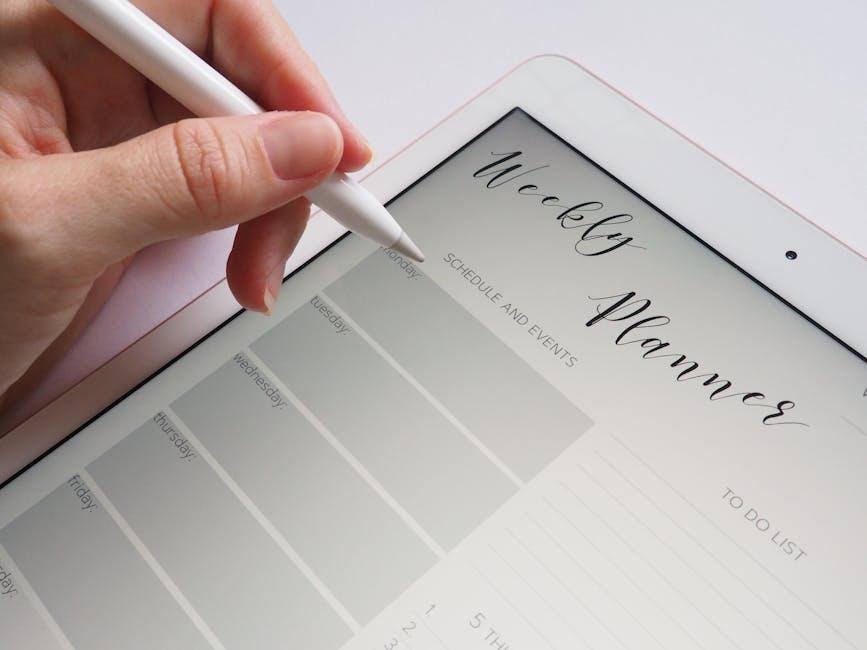
In today’s fast-paced learning and work environments, digital tools have revolutionized how notes are taken, organized, and shared.With a variety of applications available, individuals can customize their note-taking experience to suit their specific needs. Among the most popular features of modern note-taking apps are:
- Cloud Syncing: Ensures notes are accessible from any device, anywhere.
- Multi-media Integration: Allows users to incorporate images, audio recordings, and links, enriching the note-taking experience.
- Collaboration Options: Facilitates real-time sharing and editing,making group projects more efficient.
Moreover, the versatility of these tools allows for various organizational features, such as tagging, hierarchical structuring, and the use of templates. For instance,employing a digital notebook can streamline the process of categorizing subjects,allowing for quick retrieval and reference. Here’s a simple comparison of popular note-taking tools:
| Tool | Features | Best For |
|---|---|---|
| Evernote | Web Clipping, Todo Lists | Research Projects |
| Notion | Wiki Creation, Database Features | project Management |
| OneNote | Handwriting Recognition, Free-form Layout | Class Notes |

Tailoring Your Approach: Choosing the Right Method for Your Needs
When it comes to note-taking, one size does not fit all. The first step in customising your approach is to assess your specific needs and learning style. for example, if you’re a visual learner, you might prefer methods that incorporate diagrams and color coding. Techniques such as Mind Mapping or the Cornell Method can enhance visual organisation and retention of information. Alternatively, auditory learners may benefit from the Outline Method, which allows for easier capture of key points during lectures or discussions.
In addition to understanding your learning style,consider the context in which you’ll be using your notes. If you’re often away from your desk, digital note-taking apps like evernote or Notion may be beneficial, offering features like sync across devices and easy sharing. For students engaged in collaborative projects, adopting a Collaborative Note-Taking approach using platforms like Google Docs can foster teamwork and ensure everyone has access to up-to-date information. Below is a simple comparison table to guide your choice of method based on your needs:
| Note-Taking Method | Best For | Key Feature |
|---|---|---|
| Mind Mapping | Visual Learners | Organised concepts with visuals |
| Cornell Method | Structured Learners | Efficient review system |
| Outline Method | Auditory Learners | Hierarchical organisation of info |
| Collaborative Notes | team Projects | Shared access and editing |
| Digital Note Apps | On-the-Go Learners | Access from multiple devices |
Key takeaways
In the ever-evolving landscape of information, the art of note-taking stands as a crucial skill for both students and professionals alike. as we conclude our exploration of the best note-taking methods, it’s clear that effective note-taking goes beyond mere scribbles on a page; it is a powerful tool for learning, retention, and organization. Whether you prefer the linear clarity of the Cornell method, the visual engagement of mind mapping, or the digital convenience of apps, the key lies in finding a method that resonates with your unique style and needs.
Remember, the best note-taking system is one that not only enhances your understanding but also adapts to your workflow. As you experiment with these various techniques, allow yourself room for flexibility and creativity.Your notes are not just a collection of information; they are a reflection of your journey toward knowledge and mastery.
Ultimately, the right note-taking method can transform how you approach tasks, grasp complex ideas, and propel your learning forward. So, take these insights to heart and embark on your own path to effective note-taking. With practice and thoughtful application, you’ll find yourself better equipped to capture the essence of what matters, ensuring that no critically important detail slips through the cracks as you navigate your academic and professional endeavors. Happy note-taking!