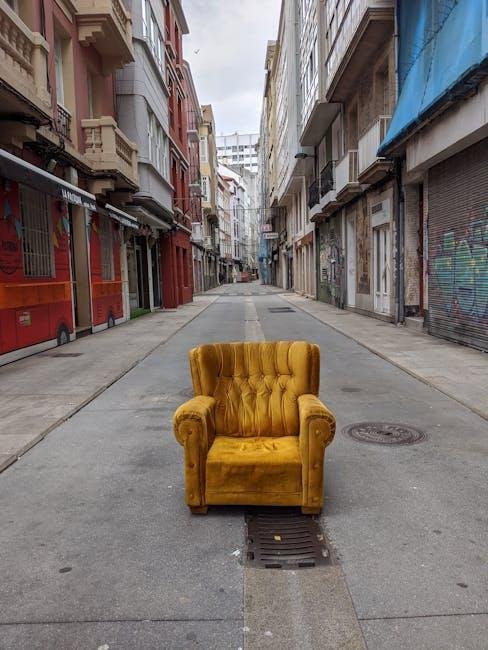
In a world where personal expression reigns supreme, the art of mixing and matching furniture styles can transform a mere living space into a vibrant reflection of individual taste. gone are the days of adhering to strictly defined aesthetics; today’s interiors invite a delightful blend of textures, colors, and forms. Whether you’re drawn to the rustic charm of farmhouse pieces, the sleek lines of modern design, or the timeless elegance of vintage finds, the key lies in understanding how to weave these diverse elements into a cohesive narrative. This article will guide you through the nuances of combining various furniture styles with confidence,empowering you to create a home that is uniquely yours. Get ready to unlock the secrets of pro designers and discover the joy of curating a space that tells your story in every corner.
Understanding the Basics of Furniture styles and Their Characteristics
When delving into the world of furniture styles, it’s essential to recognize the distinctive characteristics that define each one. Different styles can evoke varied feelings and functionality in your living space. As a notable example, Mid-Century Modern is celebrated for its clean lines and organic shapes, frequently enough featuring a mix of materials such as wood and metal. On the other hand, rustic styles invite warmth and coziness with their rough-hewn finishes and natural elements.
Understanding these unique traits allows you to successfully blend styles, creating a harmonious yet dynamic habitat. Here’s a speedy overview of some popular furniture styles and their characteristics:
| Furniture Style | Key Characteristics |
|---|---|
| Modern | Minimalism, functional forms, neutral colors |
| Industrial | Raw materials, exposed pipes, vintage accents |
| Scandinavian | Light colors, simplicity, natural materials |
| Bohemian | Eclectic, rich colors, layered textures |
mixing and matching furniture styles can be an art form, allowing for personal expression while maintaining balance.It encourages the use of color,texture,and shape to bridge the gap between contrasting designs. When done right, such combinations can result in a space that tells a story—one that reflects your personality and lifestyle. For a seamless blend, it’s vital to consider a few well-thought-out elements:
- Color Palette: Stick to a cohesive palette to unify diverse styles.
- Scale and Proportion: Ensure furniture pieces complement each other in size.
- Focal Points: Create a statement piece that anchors the room.

Key Principles for Creating a Cohesive Look in Your Space
Creating a cohesive look in your living space involves harmonizing various furniture styles while maintaining your unique aesthetic. To achieve this effect,consider the color palette that unifies the room. Choosing a dominant color or a set of complementary hues can bridge the gap between different styles. For instance,pairing rustic wooden chairs with sleek modern tables can work beautifully if both share a common tone or finish. Additionally, consider incorporating textiles like cushions and throws to meld contrasting furniture together. Mixing textures such as soft fabrics with hard surfaces creates depth and interest in your design.
Another critical aspect is the balance of forms within your space. Aim for a mix of shapes and sizes that interact well without overwhelming the eye. As an example, a tall, slender bookshelf can offset a low, wide sofa, creating visual interest and flow. think about grouping items in odd numbers, which tend to be more aesthetically pleasing. You can also use a focal point, such as a statement art piece or an oversized plant, to draw the eye and tie together the diverse elements of your decor.This focal piece can act as a guidepost for your furniture arrangement, ensuring everything feels connected and thoughtfully curated.

Combining Textures and Colors: Tips for Seamless Integration
Successfully blending textures and colors is essential for creating a cohesive look in your space.To start,consider selecting a color palette that resonates with your vision while allowing for various shades and tones. Incorporate materials with contrasting textures, such as the smooth finish of a sleek leather sofa paired with the warmth of a chunky knit throw or a rustic wooden coffee table. Harmonizing elements can also come from patterns; choose complementary prints for cushions and rugs that echo or contrast the hues in your furniture.
When it comes to layering textures, think beyond fabric—integrate elements like metal fixtures or glass accents that can add depth. Here are a few tips to keep in mind as you mix and match:
- Vary Scale: Combine large-scale furniture with smaller accent pieces.
- Limit Color Range: Stick to three main colors to prevent overwhelming the space.
- Mix Finishes: Pair matte and glossy finishes for added interest.
- Use Nature: Incorporate plants to soften edges and enrich the environment.
| Texture | Color | Example |
|---|---|---|
| Wood | Warm Brown | Rustic Dining Table |
| metal | Matte Black | Industrial Shelves |
| Fabric | Soft Beige | Linen Sofa |
Accent Pieces and Focal Points: Elevating Your Design Mix
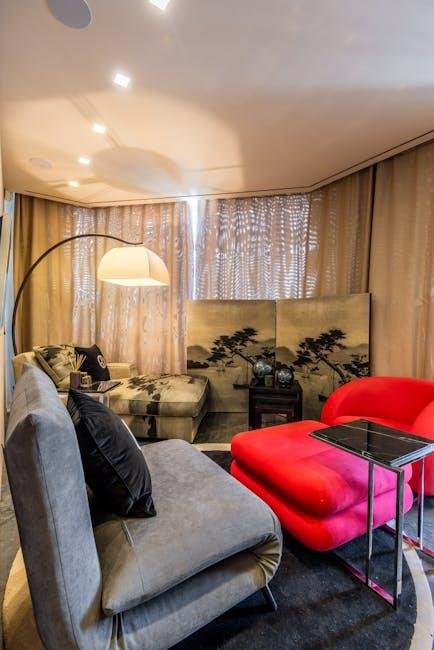
Incorporating unique accent pieces and striking focal points can significantly enhance the overall aesthetic of your space. These elements act as conversation starters and can draw the eye in a delightful way. Consider integrating items such as bold artwork, vintage lamps, or an ornate mirror. Each of these choices can offer a charming contrast to your main furniture pieces while providing layers of interest. When selecting your accents, aim for items that not only reflect your personal style but also harmonize with the broader look of your room.
Creating a balanced design mix involves placing emphasis on one or two standout items that will anchor the room. To elevate your design, think about these essential focal points:
| type of Accent | Impact | Style Compatibility |
|---|---|---|
| Artistic Sculpture | Inspires intrigue | Modern & Eclectic |
| Statement Chair | Defines seating area | Traditional & Contemporary |
| large Area rug | Grounds the design | Bohemian & minimalist |
Such pieces not only create visual interest but also contribute to the narrative of your space. The balance between accent pieces and your main furniture can shape the overall emotion of the room, resulting in a cohesive yet dynamic environment. By making thoughtful choices and being willing to mix and match styles, you can transform any setting into an inspiring retreat.
To Conclude
As we conclude our exploration of mixing and matching furniture styles, remember that the true art lies in your personal expression.Each piece in your home tells a story, and when combined thoughtfully, they can create a harmonious narrative that reflects your unique taste. Embrace contrasts, play with textures, and don’t shy away from the unexpected; the most captivating spaces frequently enough arise from bold choices and a touch of whimsy.As you embark on your design journey, keep an open mind and trust your instincts. Every room is a blank canvas waiting for your creative touch, and with the guidance outlined in this article, you are now equipped to curate a space that feels both cohesive and refreshingly original. So go forth, mix, match, and above all, enjoy the process of transforming your home into a reflection of who you are. happy decorating!