In a world that thrives on distractions and demands our attention from every direction, finding a way to manage our time effectively can feel like an elusive art. Enter time blocking—a method that transforms chaos into clarity by dividing your day into structured segments dedicated to specific tasks. Imagine a canvas, where each block of time is a stroke that creates a masterpiece of productivity, focus, and balance. In this beginner’s guide, we will explore the principles of time blocking, equip you with practical tips to implement it, and unveil how this simple yet powerful technique can revolutionize your approach to managing time. Whether you’re a busy professional, a student juggling multiple responsibilities, or simply someone hoping to regain control over their day, this guide will help you carve out moments of intention and purpose amid the hustle of modern life. Let’s embark on this journey of reimagining how we allocate our most precious resource: time.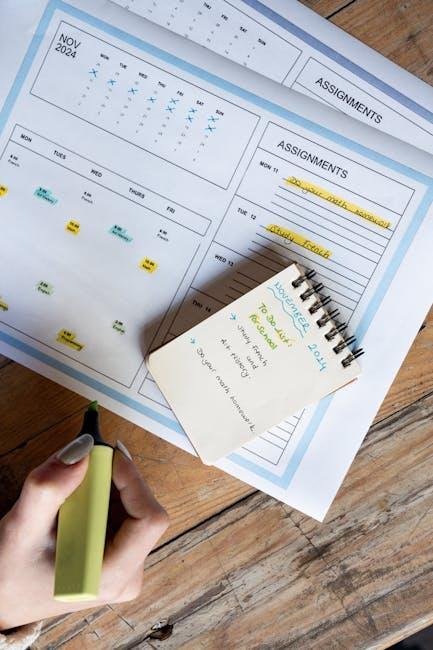
Understanding the Fundamentals of Time Blocking
Time blocking is a powerful productivity technique that involves dividing your day into distinct blocks of time,each dedicated to a specific task or group of related tasks.This method helps to minimize distractions and enhance focus, allowing you to work more efficiently. By allocating specific times for various activities, you can gain a clearer perspective on how you’re spending your day and make adjustments as needed. The key benefits include:
- Enhanced Focus: By concentrating on one task at a time, you can dive deeper into your work.
- Improved Time management: Setting clear time limits helps you accomplish tasks more effectively.
- Reduced Stress: Knowing what you need to do and when reduces the anxiety of last-minute tasks.
To effectively employ time blocking, it’s essential to start by identifying all your tasks and estimating how long each will take. Organizing your day into structured sections can substantially increase your productivity. An easy way to visualize your blocked time is through a simple table, where each block is outlined alongside its corresponding task:
| Time Block | task |
|---|---|
| 9:00 AM – 10:00 AM | Email Correspondence |
| 10:00 AM – 12:00 PM | Project Development |
| 12:00 PM – 1:00 PM | Lunch Break |
| 1:00 PM – 3:00 PM | Client Meetings |
| 3:00 PM – 5:00 PM | Review and Planning |

Crafting Your Ideal Schedule: Techniques and Tools
Creating a productive and fulfilling schedule requires a blend of effective techniques and the right tools.One popular method, time blocking, involves dividing your day into distinct chunks dedicated to specific tasks. This approach allows you to visualize your day and allocate appropriate time for both work and leisure.To get started, consider utilizing the following techniques:
- Identify Priorities: List your top tasks for the day and categorize them by urgency.
- set Specific Blocks: assign time slots to each task, ensuring you include breaks to refresh your mind.
- Stay Flexible: Allow for adjustments as needed; life seldom goes precisely according to plan.
- Review Weekly: At the end of each week, analyze what worked and what didn’t to refine your approach.
In addition to these techniques, various tools can enhance your time-blocking strategy. Digital calendars, like Google Calendar, allow you to visually block out time while sending reminders as appointments approach. Alternatively, consider project management software such as Trello or Asana to keep track of tasks alongside due dates. Here’s a glance at some popular tools and their key features:
| Tool | Features | Best For |
|---|---|---|
| google Calendar | Event reminders, sharing options | Individuals and teams |
| Trello | Visual boards, checklists, collaboration | Project management |
| Asana | Task assignments, deadlines tracking | Team coordination |

Overcoming Common Challenges in Time Management
Time blocking can be incredibly effective, but beginners often face hurdles that can impede their progress. One common challenge is estimating task duration. New users tend to underestimate how long specific tasks will take,leading to frustration and diminished motivation when tasks overflow into the next block. To combat this, begin by tracking how long tasks actually take over a week. Use this data to adjust future time blocks, refining your estimates and improving your time management skills.
Another frequent obstacle is the temptation of distractions. It’s all to easy to lose focus when notifications ping or when other peopel interrupt.To counteract this, create a dedicated workspace and utilize tools like the Pomodoro Technique—working in concentrated intervals followed by short breaks. Additionally, consider a “Do Not Disturb” signal that communicates to others when you’re engaged in time-blocked tasks. This way, you can maximize your productivity while reinforcing your commitment to focused work.
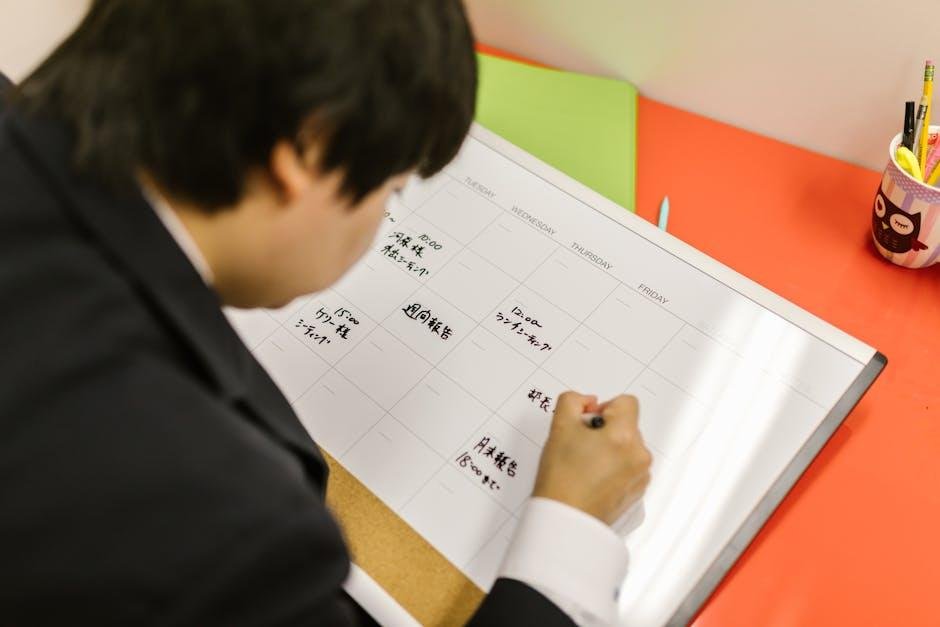
Evaluating and Adjusting Your Time Blocking Strategy
Evaluating the effectiveness of your time blocking strategy is crucial for optimizing productivity and ensuring that your day unfolds as planned. start by regularly assessing how well your blocks align with your actual tasks and energy levels. Consider maintaining a journal or a digital log to track your progress, noting which blocks are most productive and which may need adjustments. Reflect on the following factors:
- Task Completion: Are you consistently completing the tasks you set out to accomplish?
- Energy Levels: Are you scheduling demanding tasks during your peak focus times?
- Versatility: Do you allow enough buffer time for unexpected interruptions or overruns?
Once you’ve identified areas that require change, it’s time to make adjustments. This may include redistributing your time blocks, refining task categories, or even experimenting with different lengths of work sessions. Consider creating a simple table to help clarify your adjustments:
| Original strategy | Adjustment Made | Expected Outcome |
|---|---|---|
| 2-hour deep work sessions | 1.5-hour deep work sessions | Increased focus and reduced fatigue |
| Block for emails at random times | Designated email block at 10 AM | Less distraction during deep work |
| No buffer time allowed | Added 15-minute breaks between blocks | Improved time management and stress reduction |
Continuously evolving your time blocking strategy based on these evaluations not only enhances your productivity but also ensures a more balanced approach to work and life. Remember that the ultimate goal is to find a rhythm that suits your unique style and commitments.
In Summary
As we draw the curtains on this exploration of time blocking, it’s clear that this method isn’t just about arranging tasks on a calendar; it’s a strategic approach to reclaiming your day and enhancing your focus.By consciously allocating specific blocks of time for different activities, you can transform the chaos of a busy schedule into a well-orchestrated symphony of productivity.Whether you’re a student juggling assignments, a professional navigating deadlines, or simply someone looking to make the most out of each day, the principles of time blocking can be adapted to fit your unique rhythm.
As you embark on your time-blocking journey, remember that like any new skill, it may take some practice to perfect. Be patient with yourself and willing to experiment. By cultivating this discipline, you’ll not only manage your time more effectively but also carve out precious moments for creativity and reflection.So, take a deep breath, grab your planner or digital tools, and start sketching out the contours of your day. With each block carefully placed, you are not just scheduling tasks; you are designing a life that prioritizes what truly matters to you. Here’s to a more organized, focused, and fulfilling journey ahead! happy blocking!