In a fast-paced world filled with endless distractions and relentless demands on our attention, the pursuit of inner peace can often feel like an elusive dream. Yet,the ancient practices of meditation and mindfulness offer a guiding light,illuminating the path too a calmer,more centered existence. Whether you’re seeking relief from stress,a greater sense of clarity,or simply a moment of stillness in your busy day,you’ve chosen a powerful journey into the art of living more consciously. This article serves as your ultimate beginner’s guide, providing accessible insights, practical techniques, and gentle encouragement to help you embark on this transformative practice. So, take a deep breath, and let’s delve into the world of meditation and mindfulness together, discovering how these simple yet profound tools can enrich your life in ways you never thought possible.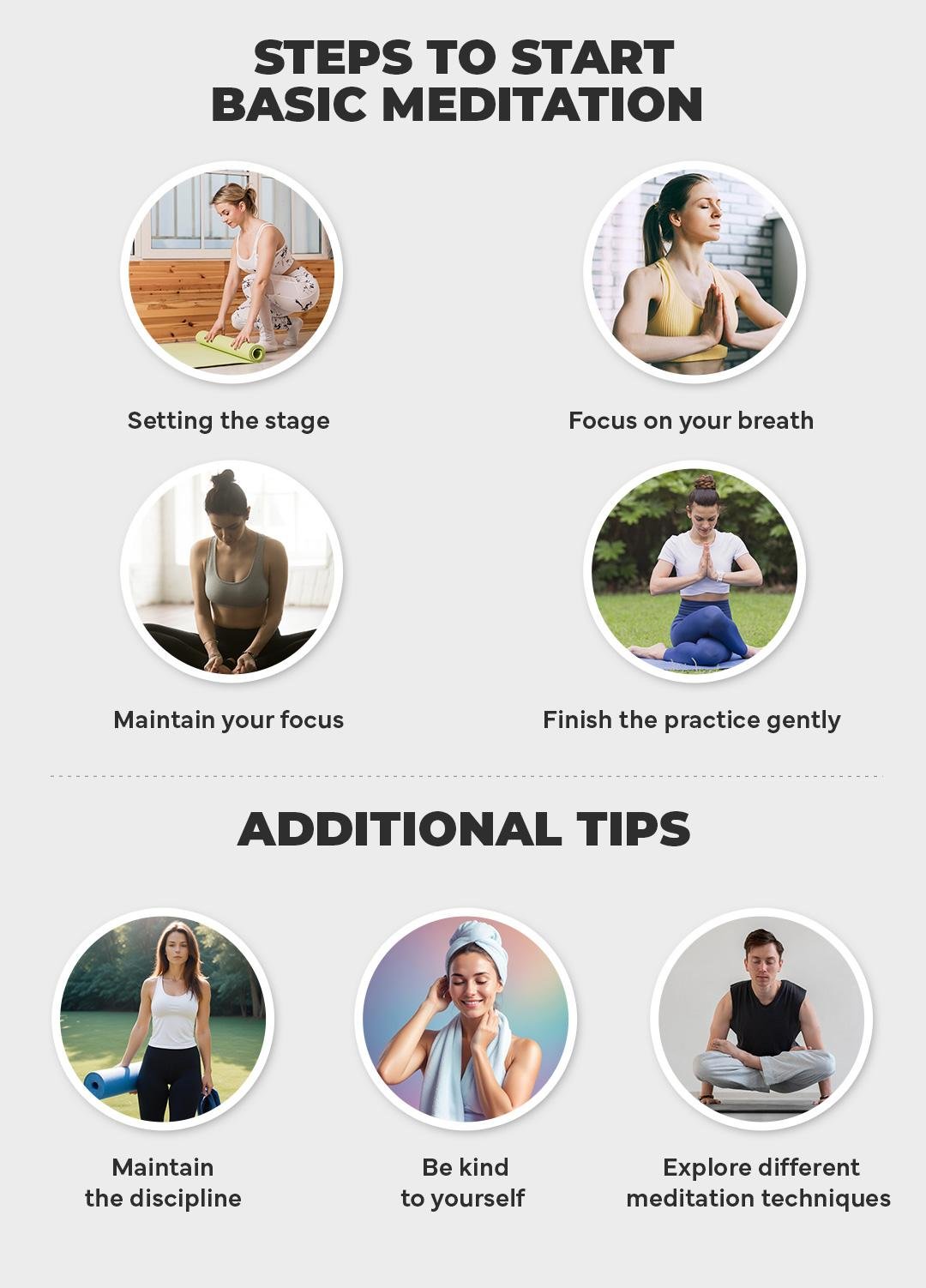
Understanding the Foundations of Meditation and Mindfulness
Meditation and mindfulness are ancient practices rooted in various cultural traditions, yet their essence remains profoundly relevant in today’s fast-paced world.At their core, they both encourage a heightened awareness of the present moment, helping individuals cultivate a deeper connection to themselves and their surroundings. By focusing on the breath, bodily sensations, or simply observing thoughts without judgment, practitioners can begin to untangle the chaos of daily life, embracing clarity and calmness.
As you explore these practices, consider the following key concepts that form their foundation:
- Aware Presence: Engaging fully with the present moment, noticing thoughts and feelings without trying to change them.
- Non-judgment: Observing experiences as they arise, fostering an attitude of acceptance.
- consistent Practice: Approaching meditation and mindfulness as skills that develop over time through regular practice.
- Compassion: Extending kindness to oneself and others, recognizing our shared humanity.

Exploring Different Techniques to Find Your Ideal Practice
Embarking on your journey into meditation and mindfulness opens a world of practices tailored to your unique preferences and needs.It’s essential to explore various techniques to discover what resonates with you. mindfulness meditation encourages you to focus on the present moment, while guided meditations can provide direction and support through visualization and narrative. consider also integrating movement-based practices like yoga or tai chi, which marry physical activity with meditative awareness, creating a dynamic approach to stillness and presence.
To simplify your exploration, keep in mind the following factors when choosing your ideal practice:
| Factor | Description |
| Time Commitment | Choose a practice that fits into your daily schedule, whether it’s five minutes or an hour. |
| Environment | Consider the setting in which you feel most cozy, be it indoors, outdoors, or a specific location like a park. |
| Community | Joining a group can enhance your experience, offering support and shared inspiration. |
| Style | Experiment with various styles like Zen, Transcendental, or Loving-Kindness to find your fit. |
As you experiment, it may be beneficial to maintain a meditation journal, noting your thoughts, feelings, and experiences after each session. This reflection can uncover patterns, preferences, and areas for growth.By combining self-reflection with the practice’s flexibility, you’ll cultivate a deeper understanding of what nourishes your well-being and aligns with your personal values.

Creating a Mindful Environment for Effective Meditation
To cultivate a space that resonates with tranquility and promotes concentration, consider the aesthetic and sensory elements of your environment. Declutter your area by removing needless items that may distract your mind. Aim for soft lighting using natural sunlight when possible, or incorporate candles and soft lamps to create an inviting ambiance.Additionally,consider the following elements that can enhance your meditation experience:
- comfortable Seating: Use cushions,mats,or chairs that support long periods of sitting.
- Natural Elements: Integrate plants or stones to connect with nature and induce a calming effect.
- Sound: Choose a quiet spot or play soft instrumental music to drown out disruptive noise.
- Essential Oils: Diffusing calming scents like lavender or sandalwood can elevate your meditative state.
As you create your sanctuary, consider tailoring it to your preferences and needs. A personal touch can considerably enhance your connection to the space. You might want to keep a small table with items such as a journal, a water bottle, and inspirational items or quotes to help motivate and focus your intentions. Setting up a harmonious area involves being mindful of your senses—colors, textures, and fragrances can all play a vital role in establishing the atmosphere:
| Element | Benefit |
|---|---|
| Soft lighting | Reduces strain and promotes relaxation |
| Natural Materials | Enhances grounding and connection |
| Calming Colors | Influences mood and mental clarity |
| Sounds of Nature | Soothes the mind and encourages focus |

Overcoming Common Challenges and Enhancing Your Journey
Meditation and mindfulness can be incredibly rewarding practices, yet they are not without their obstacles. Many newcomers may struggle with distractions during sessions, find it challenging to sit still, or feel overwhelmed by racing thoughts.To address these issues, consider implementing techniques that can enhance your practice. You might find it helpful to create a peaceful environment by minimizing noise and visual clutter. Establishing a consistent routine can also provide structure that encourages regular engagement. Additionally, using guided meditations through apps or online resources can offer direction and support, making the journey a bit smoother.
For those seeking to deepen their practice while navigating common hurdles, having a clear approach can make all the difference. Here are a few strategies to keep you focused and motivated:
- Start small: Begin with just a few minutes a day to prevent feeling overwhelmed.
- Set intentions: Define what you hope to achieve through your practice, whether its stress relief or increased focus.
- Stay patient: Understanding that progress takes time can help maintain a positive mindset.
- Reflect regularly: keep a journal to track your insights and improvements.
Insights and Conclusions
As we draw the curtains on this exploration of meditation and mindfulness, it’s important to remember that every journey begins with a single step—or, in this case, a single breath. Embracing the art of stillness and presence can be a transformative experience,one that invites tranquility into the chaos of everyday life.Whether you choose to sit in silence, practice mindful walking, or integrate simple awareness into daily tasks, the key is consistency and curiosity. Be gentle with yourself; growth in this practice unfolds at its own pace. Allow meditation to evolve as you do, shaping not only your moments of quietude but also the way you navigate the world.
As you venture forth, may you carry with you the tools you’ve gathered here. With patience and an open heart, may you discover the profound depths of your own awareness and the peace that resides within.Here’s to your journey—one breath, one moment at a time.